

Buenos Aires’ Chinatown, located in the heart of Belgrano, is one of the city’s most colorful and culturally rich destinations. This small yet vibrant neighborhood spans just five blocks. It serves as a gathering place for the Chinese community and for tourists eager to immerse themselves in a piece of Asia without leaving Argentina. Join us as we explore what to do, see, and taste in Buenos Aires’ Chinatown.
History and Culture of Chinatown
Chinatown emerged in the 1980s, with the arrival of Taiwanese and Chinese immigrants to Buenos Aires. Over the years, the area has become the center of Asian culture in the city. Today it brings together people from various nationalities and backgrounds, though primarily Chinese.
Currently, the neighborhood is filled with stores offering Eastern products, authentic Asian cuisine restaurants, and temples that honor different Asian religions. As a result, it’s a unique and fascinating place to explore.
How to Get to Chinatown?
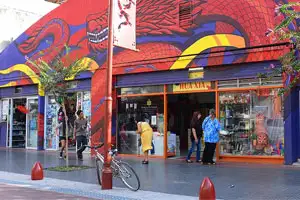 Located in Belgrano, Chinatown is easily accessible by public transportation. For instance, it’s near the Belgrano C train station. It can also be reached by bus and by the D subway line, with the Juramento station just a few blocks away.
What to See and Do in Chinatown?
The Entrance Arch
 Upon arrival, the Chinese arch will welcome you. This iconic red and gold gateway marks the official entrance to the neighborhood. In fact, it’s one of the area’s most photographed spots.
Temples and Spiritual Spaces
One of Chinatown’s most distinctive aspects is its spiritual offerings, including Buddhist temples and spaces for Taoist practice. Overall, these sites provide a unique glimpse into Eastern religious practices. Also, they’re often open to those who wish to learn more about these traditions.
Asian Product Stores
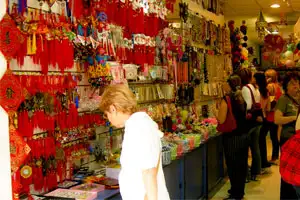
The neighborhood has a wide variety of stores selling products imported from Asia. For example, there’s everything from noodles and spices to decorative items and kitchen utensils. Therefore, these markets are ideal for those looking to experience Eastern cooking at home.
Asian Gastronomy
One of Chinatown’s main attractions is its culinary offer. Here you’ll find restaurants specializing in Chinese, Japanese, Korean, and Taiwanese food. Some highlights include dumplings, ramen, and sushi. Also, be sure to try the famous “bubble tea,” a sweet drink with tapioca pearls.
Celebrations and Events
Chinese New Year is one of the most important events in Chinatown, since it attracts crowds every year. During these celebrations, the streets fill with parades, lion and dragon dances, music, and food stalls. As a result, it offers a unique experience for locals and tourists alike.
Tips for Visiting Chinatown
- Arrive early: The neighborhood tends to get crowded on weekends and during holidays. For that reason, arriving early lets you enjoy the atmosphere without as many crowds.
- Bring cash: Many stores and restaurants prefer cash payments. Therefore, it’s a good idea to have some on hand.
- Ask and learn: Store and restaurant owners are often friendly. In fact, they’re usually willing to explain more about the products and traditions of their culture.
Renovation and Expansion
Buenos Aires’ Chinatown has recently been expanded and renovated. As a result, it has solidified its status as a vibrant cultural and tourist hub. For instance, the renovation includes the beautification of public spaces and the addition of new shops. It also added pedestrian areas, making it easier to explore its rich culinary and commercial offerings. Among the most notable changes are its iconic entrance arch, newly restored, along with new sculptures and more entertainment options. In this way, the revitalized Chinatown invites tourists and residents to enjoy a unique experience, where Chinese tradition and modernity intertwine in an accessible and attractive setting.
Chinatown and Tourism in Buenos Aires
Visiting Chinatown is an excellent way to appreciate the cultural diversity in Buenos Aires. In addition, it’s a must-visit destination for anyone looking to explore the multicultural side of the city. On one hand, this neighborhood reflects how different cultures can blend and enrich the city’s urban landscape. On the other hand, it offers an array of products, gastronomy, and cultural experiences that cannot be found anywhere else in Buenos Aires. Overall, though small, it invites visitors to immerse themselves in a different culture and enjoy a unique experience.